Our Story

Social Change Lab was founded in 2021 by James Özden, who had spent several years on the front lines of social movements including working on the strategy team for Extinction Rebellion. Through that experience, he noticed something striking: despite social movements being historically powerful drivers of change, little rigorous empirical research existed on which strategies and tactics actually work.

Through the Charity Entrepreneurship Incubation Program — which helps people launch high-impact nonprofits — this gap became the basis for a new organisation. Social Change Lab was incorporated in December 2021 with a simple premise: bring the same evidence-based rigour to the study of social movements that other fields take for granted, and to deepen public understanding of the role they play in social change.

Since then, we've grown into a research team publishing in the world's leading journals, quoted as expert sources by the BBC, New York Times, and PBS, partnering with academics from Stanford, Yale and NYU, and working directly with campaign groups from Green New Deal Rising to Greenpeace International.

We try to do this work with ambition and rigour, openness about our methods, and a commitment to depth over breadth — you can read more about our operating values here.

December 2021

Founded

Incorporated through the Charity Entrepreneurship Incubation Program

2022

First publications

SSIR's 10th most popular article of the year; first polling studies launched

2024

First academic publication

Published in Nature Sustainability — >5000 accesses, >50 citations

2025

Media recognition

Expert sources for BBC, The Guardian, Observer, New York Times, New York Magazine, Daily Mirror and many more. Numerous op-eds and opinion pieces.

The Team

Staff

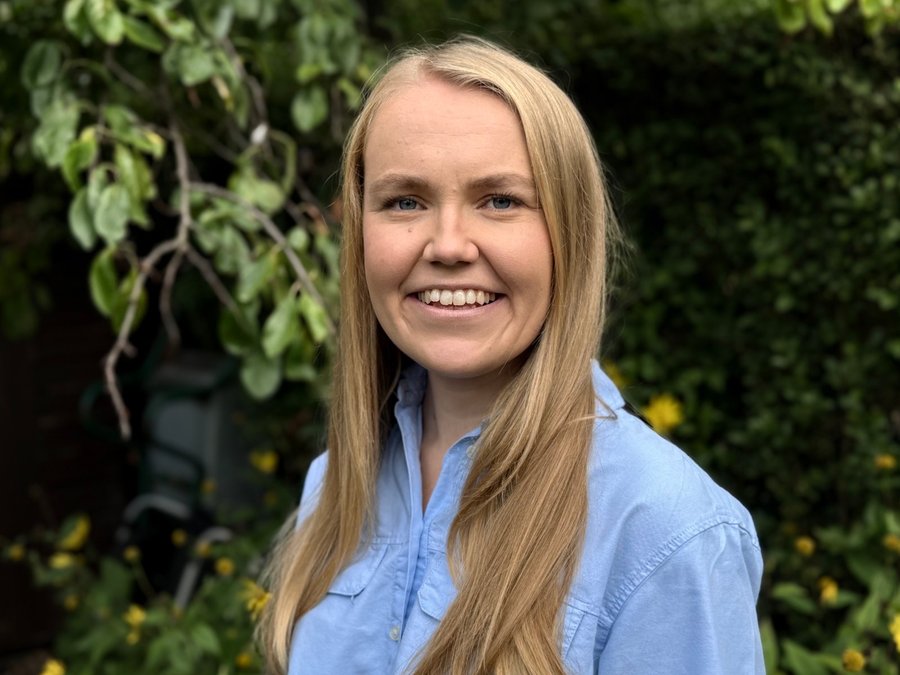
Sam Nadel

Sam Nadel

Executive Director

Former Head of Policy and Advocacy at Oxfam Great Britain. Visiting Research Fellow at the University of Bath and Research Associate at the University of Exeter.

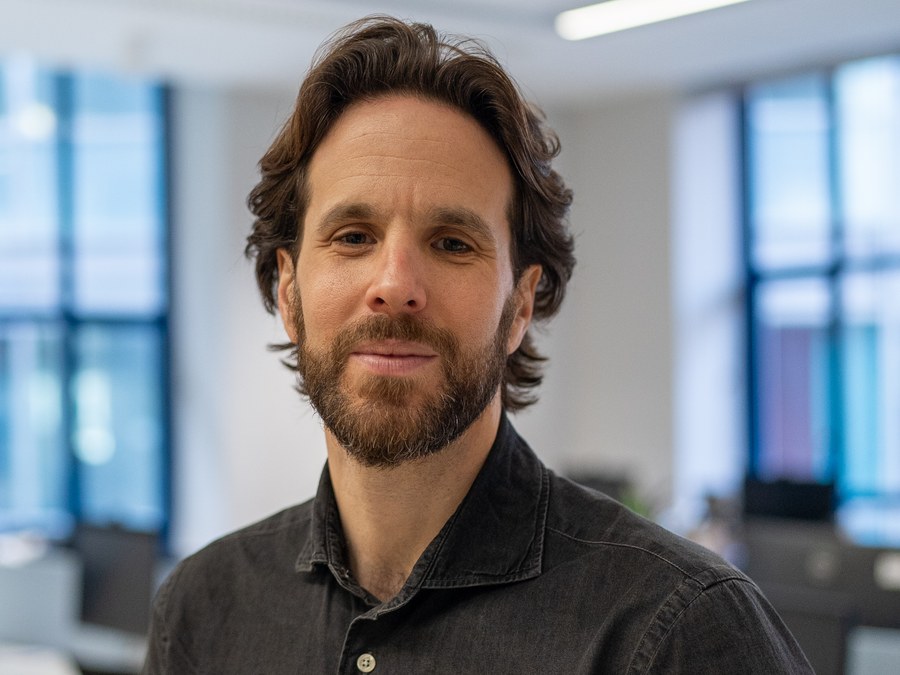
Markus Ostarek

Markus Ostarek, PhD

Consultant Director of Research & Data

Researcher and data analyst with a background in cognitive neuroscience. Former Lecturer in Social Psychology and Cognitive Science at the University of Glasgow, and previously at the Max Planck Institute for Psycholinguistics.
Cathy Rogers

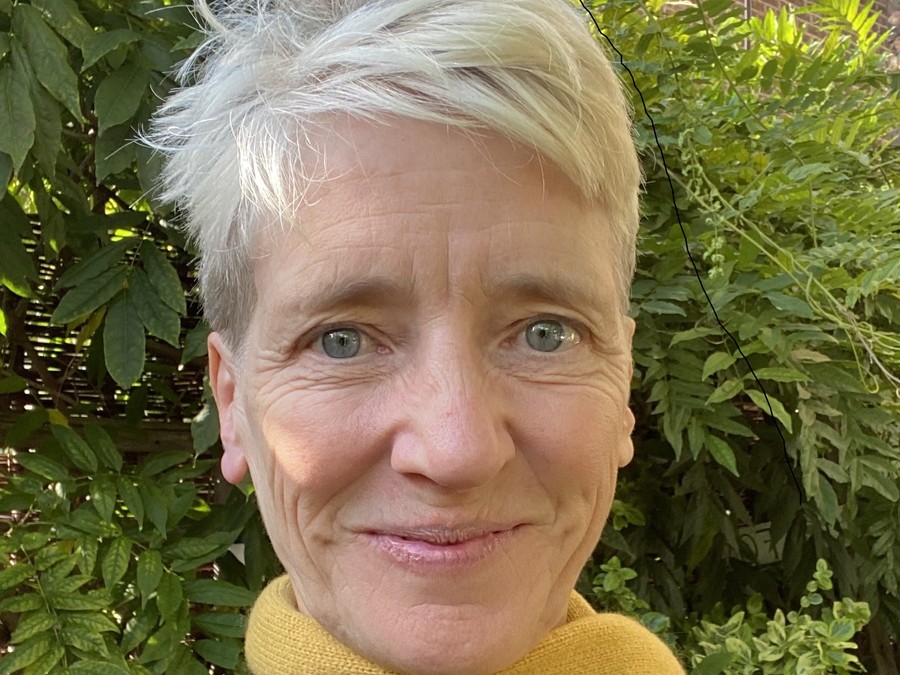
Cathy Rogers, PhD

Director of Research & Development

Former science television producer with a PhD in Psychology. Writes on educational neuroscience and recently co-authored a children's book about the future.

Board & Advisers

Ruth Tanner

Ruth Tanner

Chair

UK country director of World Animal Protection. Previously held campaign leadership roles at Amnesty International, Oxfam and War on Want. Studies political psychology and the role of people power in driving change.

Aidan Alexander

Aidan Alexander

COO at Ambitious Impact and co-founder of FarmKind. Former Director of Programs at Charity Entrepreneurship and co-author of How to Launch a High-Impact Foundation.

Max Dowbenko

Max Dowbenko

Solicitor at Bates Wells, specialising in campaigning and election law for charities and non-party campaigners, and the full range of charity law including governance and grant funding.

Yvonne Nwokedi

Yvonne Nwokedi

External Adviser

Works in development finance with a focus on governance, accountability and sustainability. Has supported programmes across Africa and Asia, advising on financial systems and risk management.
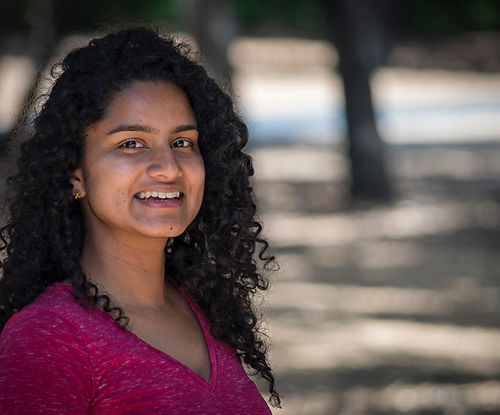
Samantha Sekar

Samantha Sekar, PhD

Research Director at Power for Democracies. Interdisciplinary social scientist with experience in large-scale field studies on political behaviour, clean energy deployment and research non-profits. PhD from E-IPER at Stanford.
We're hiring

Join our team

We're looking for a Research & Outreach Officer to help design and deliver our research and get our findings into the hands of activists, funders and journalists who can act on them.

View the role

Our Research Areas

We've published over 35 research outputs since 2021, spanning five major themes.

Climate & Environmental Activism

Covering the cost-effectiveness of Extinction Rebellion, the impact of Just Stop Oil and Insulate Britain, Sweden's Restore Wetlands campaign, fossil fuel industry tactics, and voting intention analysis across three countries.

Animal Rights & Welfare

Including public opinion impacts of Animal Rising's Grand National protest, messaging strategy experiments, farmed animal advocacy mapping, and factory farming attitudes research.

AI Safety

Mapping civil society responses to AI risks and studying what might mobilise the public to act on AI harms — applying proven social movement research methods to emerging technology challenges.

General Movement Strategy

Theme-agnostic research on what makes movements succeed: expert surveys, grassroots movement surveys, action logic studies, and synthesis reports.

Funders & Philanthropy

Research on how funders can most effectively support social movements — surveying funders, analysing grantmaking patterns, and producing evidence to guide philanthropic strategy.

Identifying the Questions That Matter

Before we begin a study, we test it against three criteria.

01

Importance

Does this question focus on something that matters? We prioritise issues with the potential to cause the most harm or do the most good — and where the findings would be meaningful for real campaigns.

02

Tractability

Will this work change how movements operate in practice — the tactics they choose, how they allocate resources, or how they frame messages? And can we produce rigorous evidence within our resources?

03

Neglectedness

Is anyone else studying this? We focus on gaps in the existing literature where our contribution would be genuinely additive rather than duplicating work already underway.

Research Methods

We combine quantitative and qualitative methods to build a fuller picture of how social movements shape public opinion and policy.

Quantitative

  • Nationally representative polling
  • Longitudinal surveys — tracking same people over time
  • Randomised controlled trials and vignette experiments
  • Bayesian regression modelling and mediation analysis
  • Time-series analysis of media coverage, parliamentary mentions, voting intention
  • Cost-effectiveness analysis

Qualitative

  • Semi-structured interviews with activists, academics, MPs, civil servants
  • Case studies of specific campaigns
  • Open-ended survey questions

Open Science: We pre-register experiments on the Open Science Framework, share data publicly on OSF repositories, and follow ethical standards per the Declaration of Helsinki.

As a research org that advises on policy, I find Social Change Lab's research invaluable. I see it as foundational research that should have been done by academics decades ago if they actually cared about making a difference.

Stakeholder Survey Respondent
Policy research organisation

8/10 average likelihood of using our research, with 57% reporting it changed their beliefs about which movement tactics work.

Social Change Lab Stakeholder Survey
Aggregate findings from independent respondents

Governance & Funders

Social Change Lab is a non-profit company limited by guarantee registered by Companies House (company number: 13814623). It is governed by a board of directors who set strategic direction, oversee research independence, and ensure responsible use of funds.

Our Funders

We're grateful to our funders for supporting our research, training, and events. Past and present supporters include:

  • craigslist Charitable Fund
  • Climate Emergency Fund
  • Red Panda Paw
  • John Ellerman Foundation
  • Joseph Rowntree Foundation
  • Joseph Rowntree Reform Trust
  • Phauna
  • Brian Mercer Trust
  • Changing Ideas

Donations to Social Change Lab are processed through Giving What We Can, which enables tax-deductible giving for US, UK, and Dutch donors.

See what our research has achieved

From journal publications to developing a shared evidence-base for movements and funders — explore our track record of impact.

View our impact