Data centers as a new frontier for the climate movement
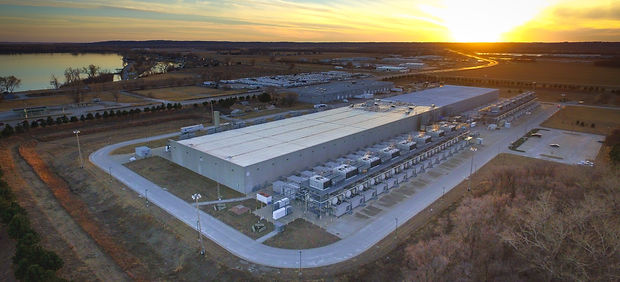
An exploration of how communities are organising in response to data center expansion, and of AI infrastructure as an emerging area of focus for the climate movement.
We research social movements to understand their role in social change. Our work is open access and spans climate & environment, animal welfare, AI safety, the role of funders and philanthropy, and the broader questions of movement strategy that cut across them.
An exploration of how communities are organising in response to data center expansion, and of AI infrastructure as an emerging area of focus for the climate movement.
A discussion paper exploring how community-led adaptation could engage broader audiences and offering strategic recommendations for the climate movement.
A UK randomised controlled trial with 3,467 participants, finding that environmental harms and algorithmic bias are the most effective framings for mobilising the public on AI risks.
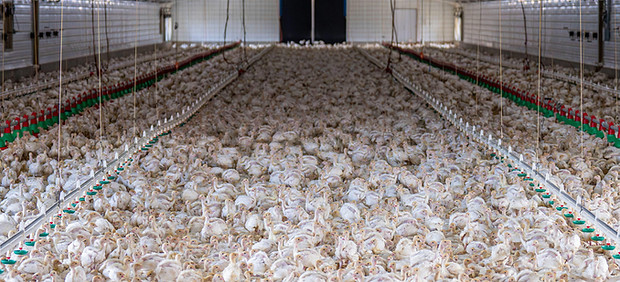
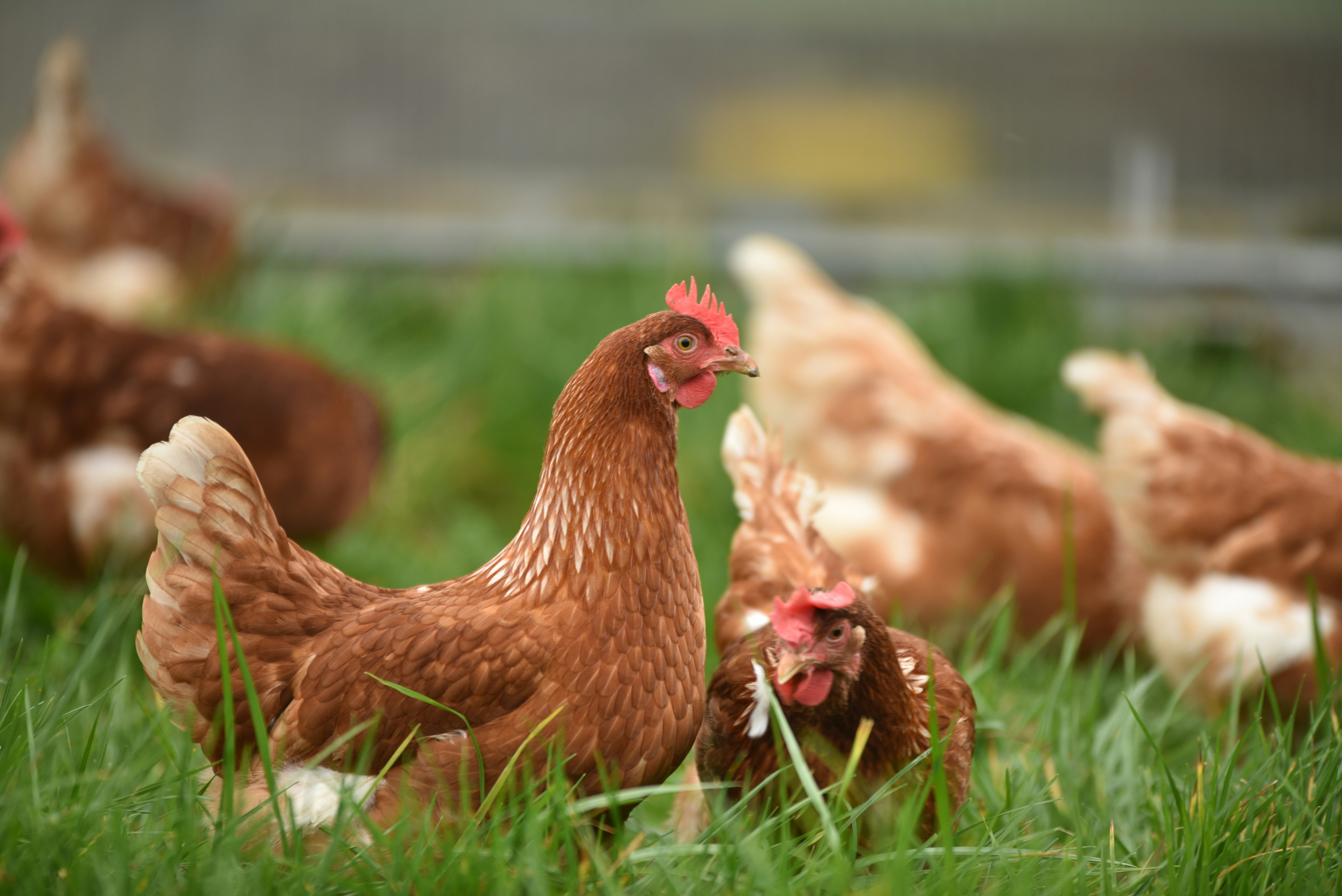
Findings from a public opinion survey revealing significant opposition to factory farming practices, despite the issue's low salience. The more people know about factory farming, the more they oppose it.
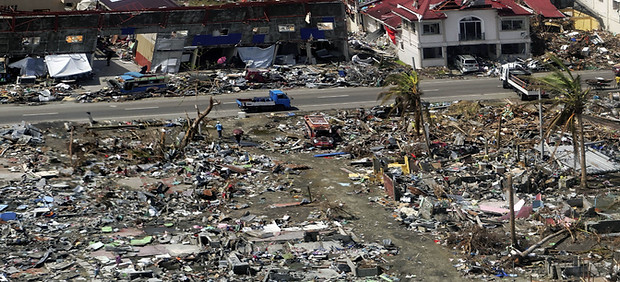
A discussion paper with case studies where activists have organised in response to extreme weather events in Vermont, the Philippines, and Spain. Co-authored with Maciej Muskat from Greenpeace International.
A survey of 57 small, grassroots movements exploring what drives them, what they've achieved, and the barriers they face. Conducted in collaboration with The Movements Trust.
A report exploring how civil society is mobilising through protest, education, and advocacy to address rapidly advancing AI risks.
Our peer-reviewed paper finding initially negative effects of disruptive protests dissipated after six months.
An evaluation of the Swedish Restore Wetlands campaign, using media analysis, public opinion polling, parliamentary data, voting intention trends, and interviews with politicians and other experts.
How civil-society groups are holding fossil-fuel firms to account, with insights into which tactics are most likely to be effective.
Analysis of voting intention polls from the UK, Sweden, and Germany, exploring the impact of disruptive climate protests on electoral preferences. An estimated 160,000 additional votes for pro-climate parties.
An analysis of how the logic of a protest — how intuitively an action relates to a movement's goals — affects levels of active support and media attention.
Our peer-reviewed paper with real-world evidence that disruptive climate protests can increase support for more moderate organisations. 5,056 accesses, 31 citations.
A curated website of resources available to activists and campaigners. Includes guidance on writing press releases, finding training, building a caring organisational culture, and finding a fiscal host.
A survey of 100 funders about their attitudes to supporting campaigners and activists. While most funders value campaigning, they cited a range of barriers to providing more funding.
A nationally representative poll of reactions to record prison sentences for activists planning nonviolent protests.
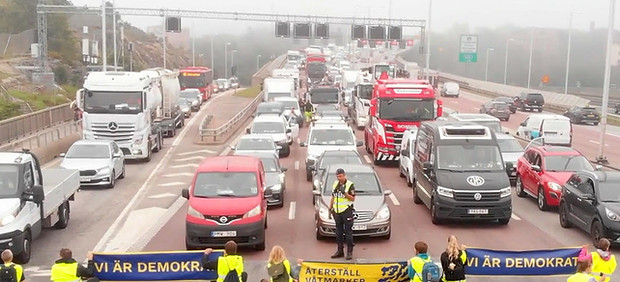
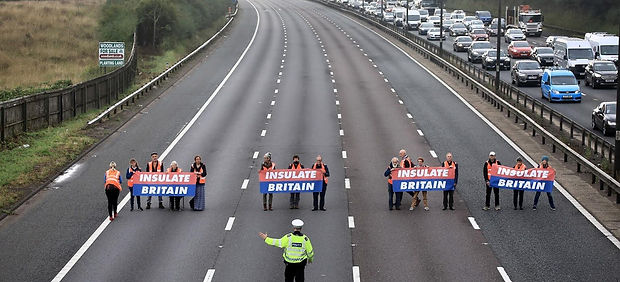
An impact analysis of the Insulate Britain campaign, assessing the extent to which it achieved its aims and changed UK Government policy. Links motorway blockades to the £1 billion Great British Insulation Scheme.
A randomised controlled trial study to explore how attitudes to animals are affected by descriptions of different animal rights protests and messaging strategies.
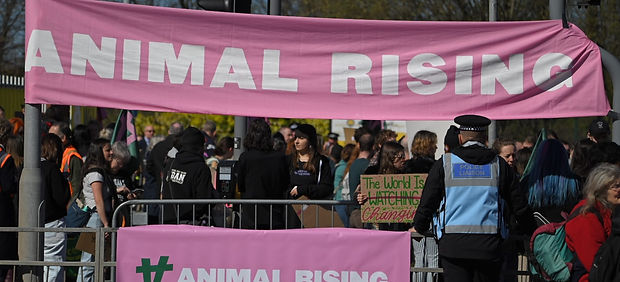
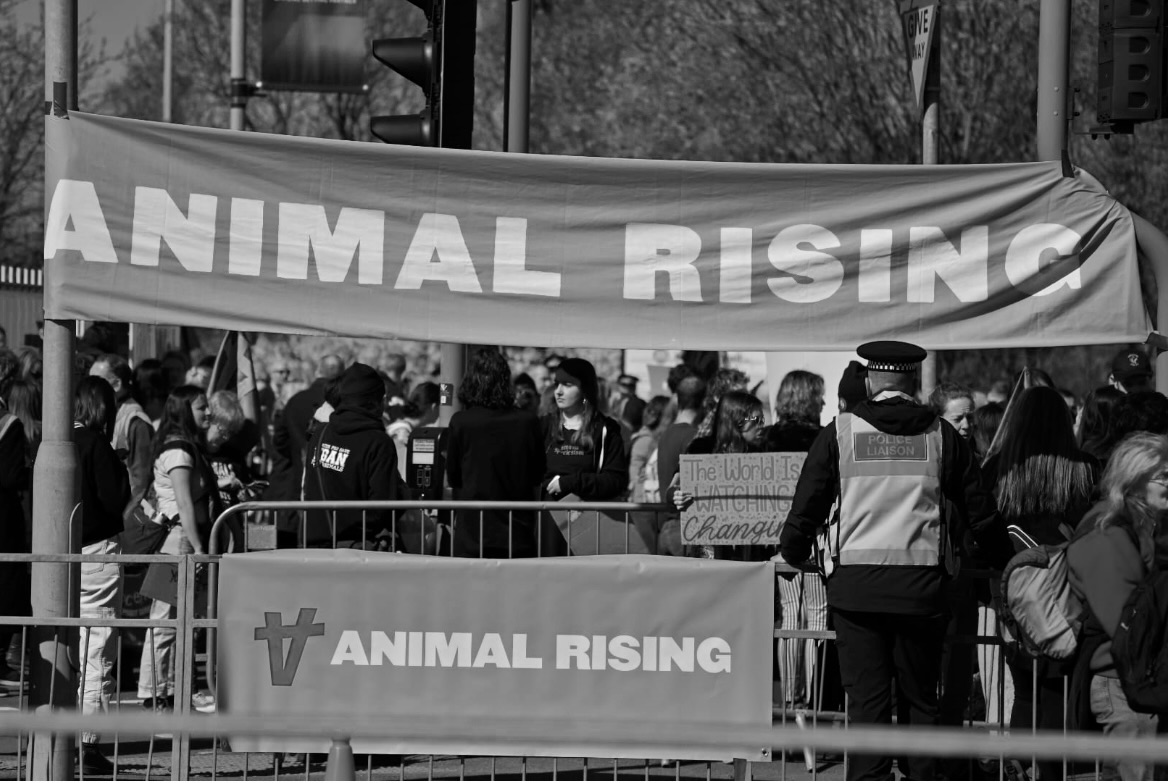
An in-depth study of Animal Rising's Grand National protest using nationally representative polls, a vignette study, and media analysis.
A report mapping the UK farmed animal advocacy sector, outlining the resource allocation within the sector and funding allocated to different strategies and stakeholders.
Public opinion polling to understand the short-term impact of Animal Rising's disruption of the 2023 Grand National protest.
A survey of 120 academics on tactics, strategies and targets for effective social movements.
A report on the funding landscape for movements, the funding gap, and how philanthropists can better support grassroots groups.
Research exploring what makes protest-based movements effective, drawing on polling, interviews, and case studies.
Analysis of nationally representative surveys that detected a positive radical flank effect — increased awareness of radical climate groups was associated with increased support for moderate climate groups.
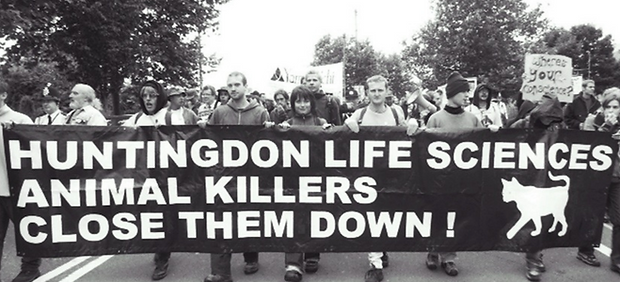
A case study exploring Stop Huntingdon Animal Cruelty, an animal rights campaign in the 2000s. Identifies key reasons why it achieved significant successes, as well as potential reasons for its later decline.
A literature review of existing work on success factors for protest movements. Examines research on nonviolence, numbers, the radical flank effect, and external contextual factors.

Results from an informal survey of 16 individuals across 13 grassroots social movement organisations (SMOs), focusing on climate and animal advocacy.
Two 1,500-person longitudinal and nationally representative public opinion polls before and after a major animal advocacy campaign in the UK, organised by Animal Rebellion.
A synthesis report examining the impact of protest movements on public opinion, policy change, public discourse and media coverage, voting behaviour, and corporate behaviour.
Interviews with three UK Civil Servants to understand the impact of protest movements on UK policymaking.
Interviews with 12 academics and experts to understand the impact of protests on policy and public opinion.
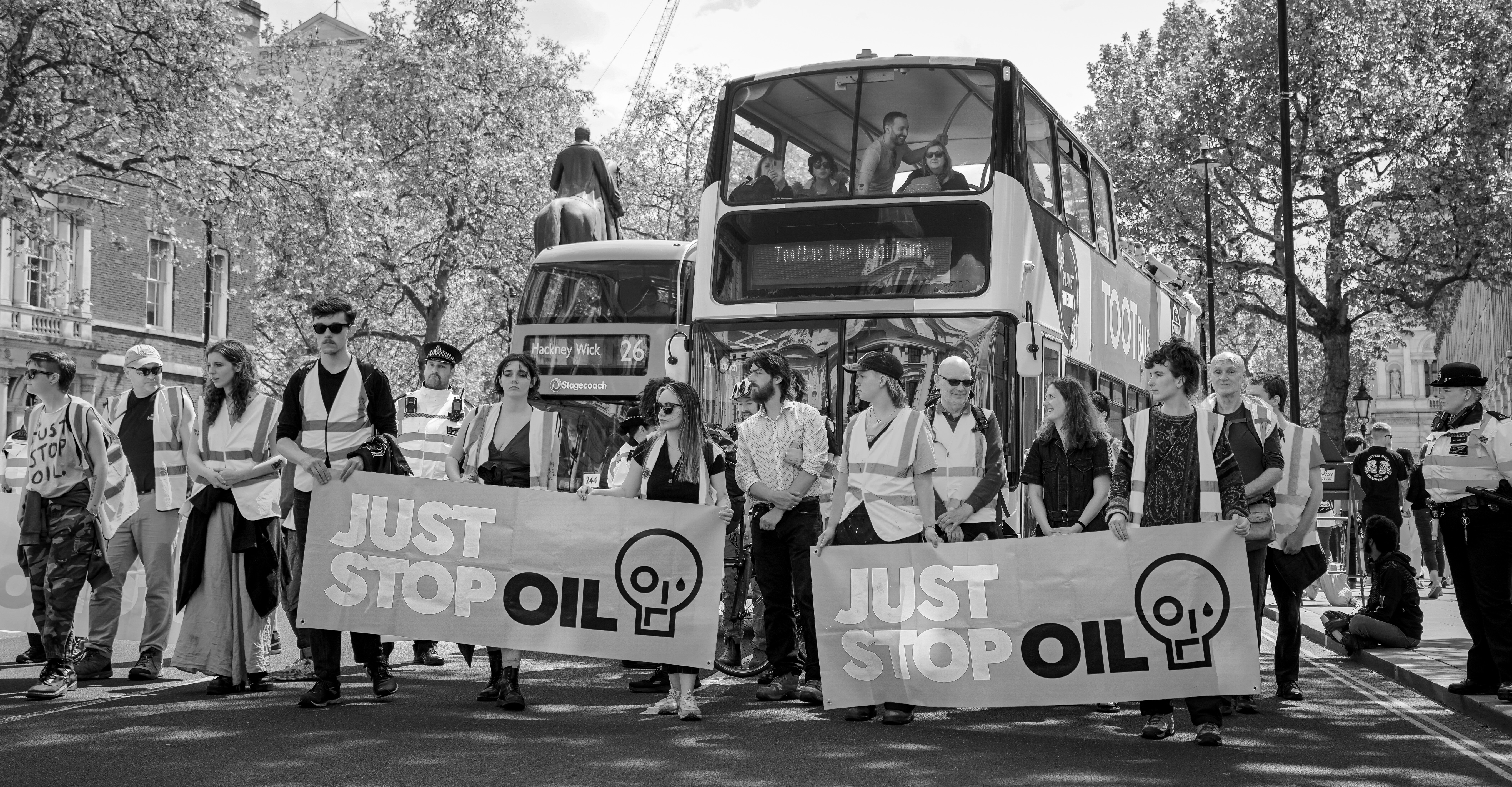
Public opinion polling of a major Just Stop Oil protest. Despite disruptive tactics, there was no loss of support for climate policies. Respondents reported they were more likely to participate in environmental activism.
A review of literature on movement outcomes, ranging from policy change, public opinion, voting behaviour, public discourse, and corporate behaviour.
A cost-effectiveness analysis of Extinction Rebellion's campaigning in 2021 and the likely impact on carbon emissions, climate policy, and climate discourse.