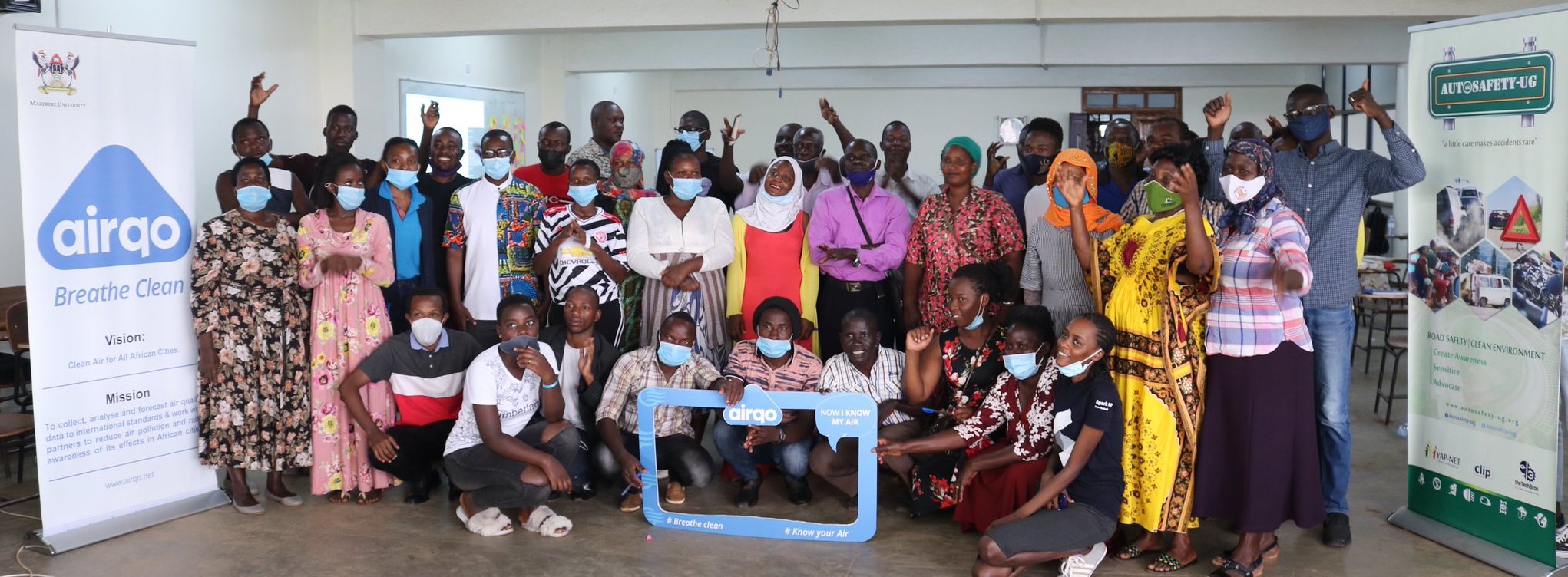
Image: Auto Safety Uganda - available here
Small, grassroots movements are often the unsung heroes of social change. While established charities and NGOs attract the majority of media attention and funding, grassroots groups are frequently among the most potent catalysts for transformation.
That's why we're excited to share findings from a new survey, conducted in collaboration with The Movements Trust (TMT). The report - which you can read here - includes responses from 57 movements supported by TMT, offering a rare window into the lives of grassroots movements, in their own words: who they are, what drives them, what they’ve achieved, and the barriers they face.
As the report explores, movements are often led by people from communities directly affected by an issue - their fights are not theoretical, they are lived. Whether that’s Ugandan transport workers campaigning for cleaner air and safer roads or millionaires advocating to pay higher taxes, it’s this authenticity that gives movements their moral authority. Their small size means they often have the flexibility to respond rapidly to emerging crises, and the fact they exist outside mainstream institutions gives them political freedom to challenge power structures and systems. Movements do the essential work of building power from the ground up.
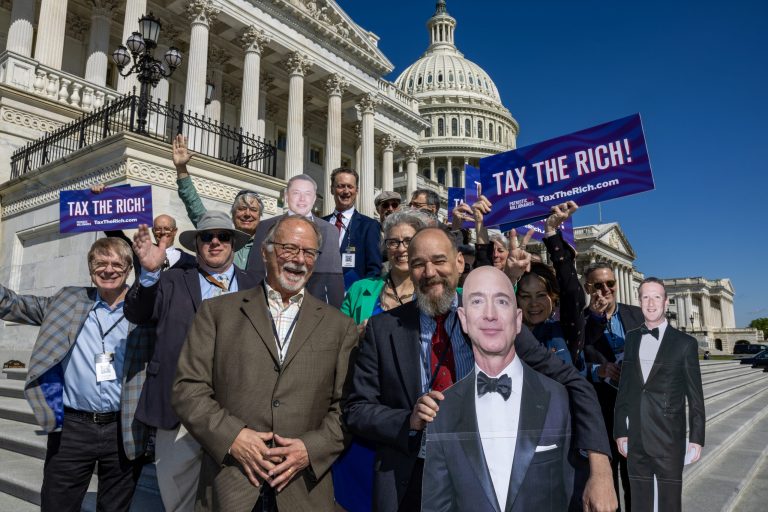
Image: Patriotic Millionaires - available here
Much of what we heard from movements was the mirror image of what funders told us in our funders survey last year. We asked funders about the barriers to funding campaigners and activists. They talked about risk (how will funding affect my organisation?), impact (does campaigning and activism make a difference?), practicalities (how can I fund individual campaigners or informal groups?) and knowledge (how do I find the right campaigners to fund?).
Thankfully, organisations like TMT exist to fill in gaps that funders struggle to address directly. By providing fiscal sponsorship, reducing administrative barriers, and building bridges between movements and donors, TMT helps unlock the potential of groups that are often outside traditional funding systems. The survey findings suggest this intermediary role is working: movements supported by TMT report higher funding success, fewer barriers, and have greater capacity to focus on their real work.
Read the full report here and let us know what you think.